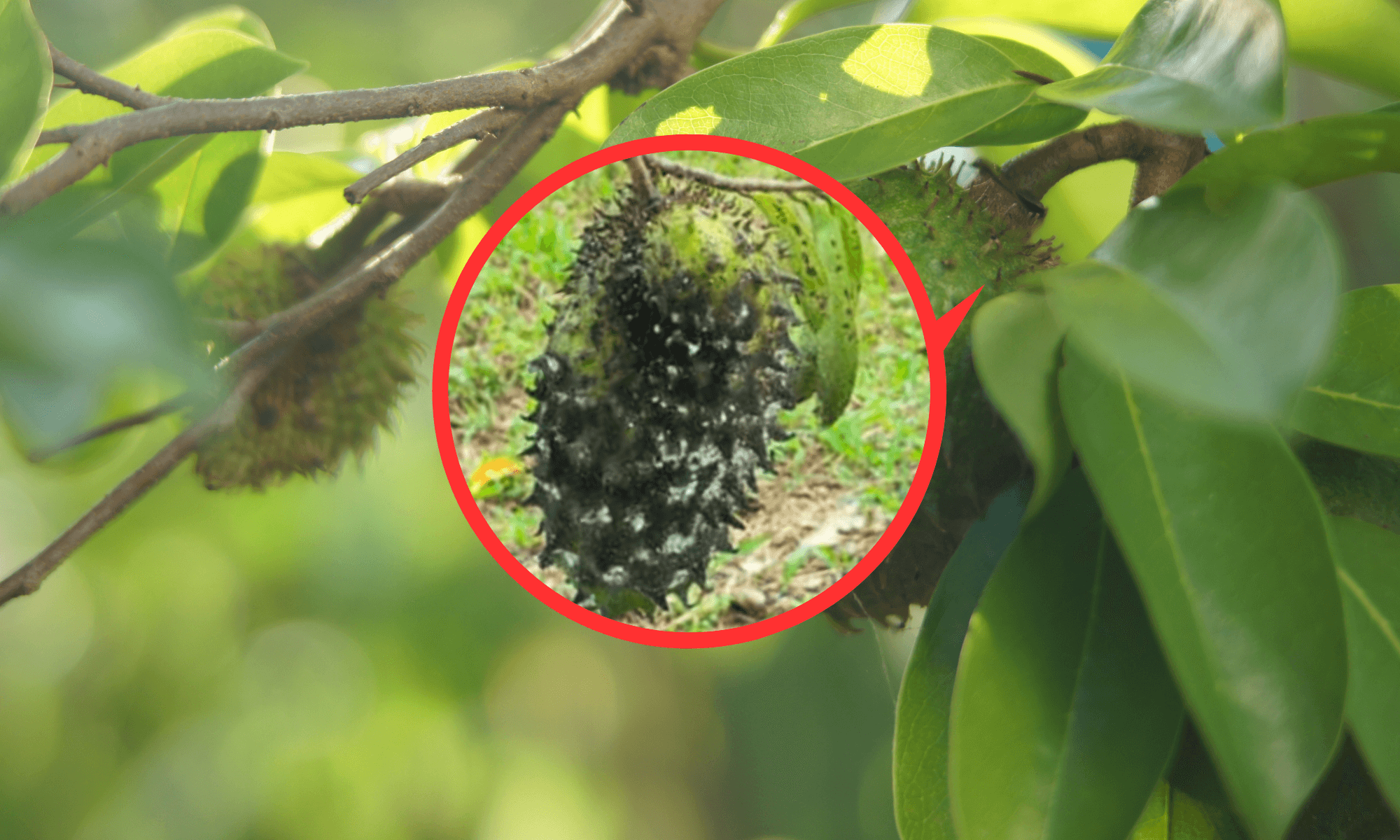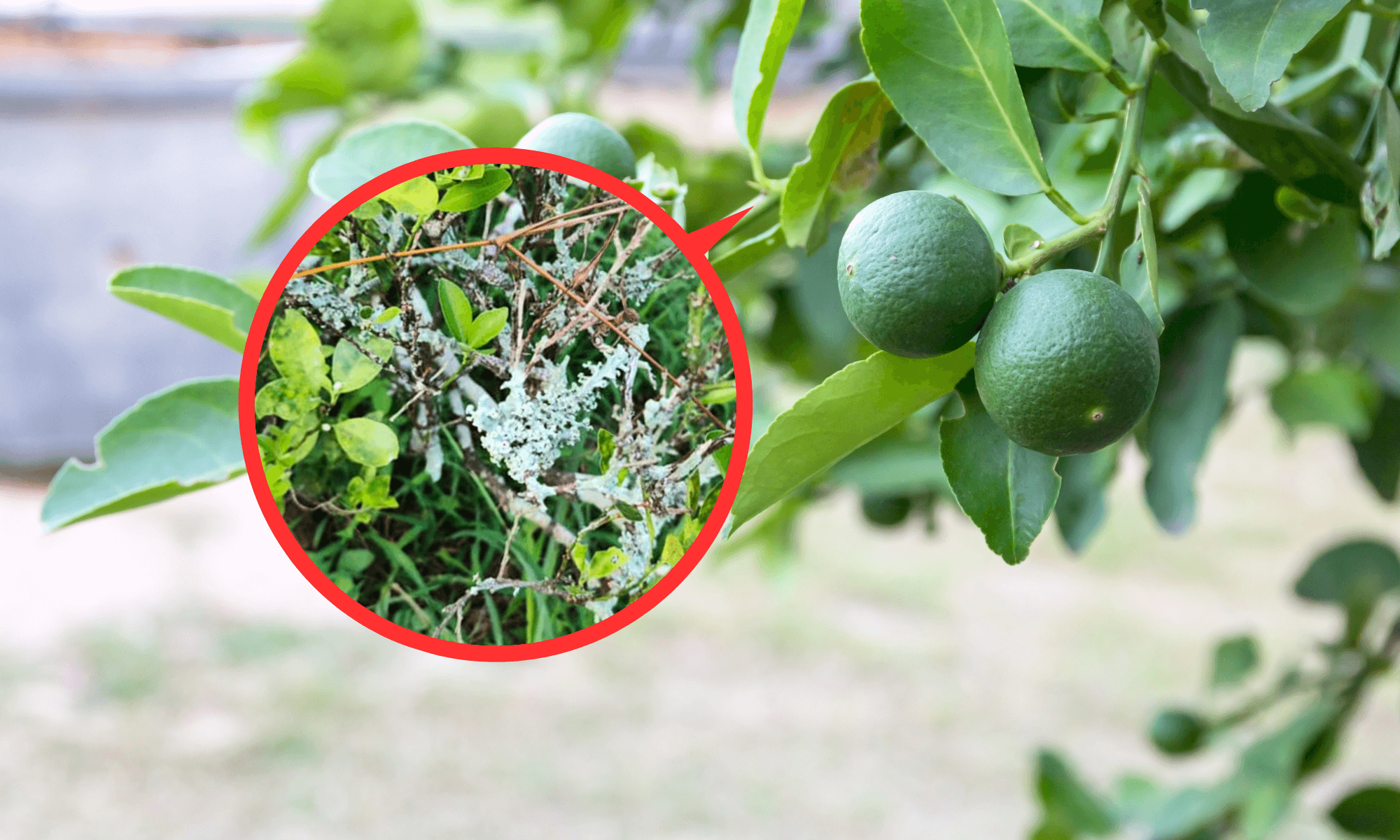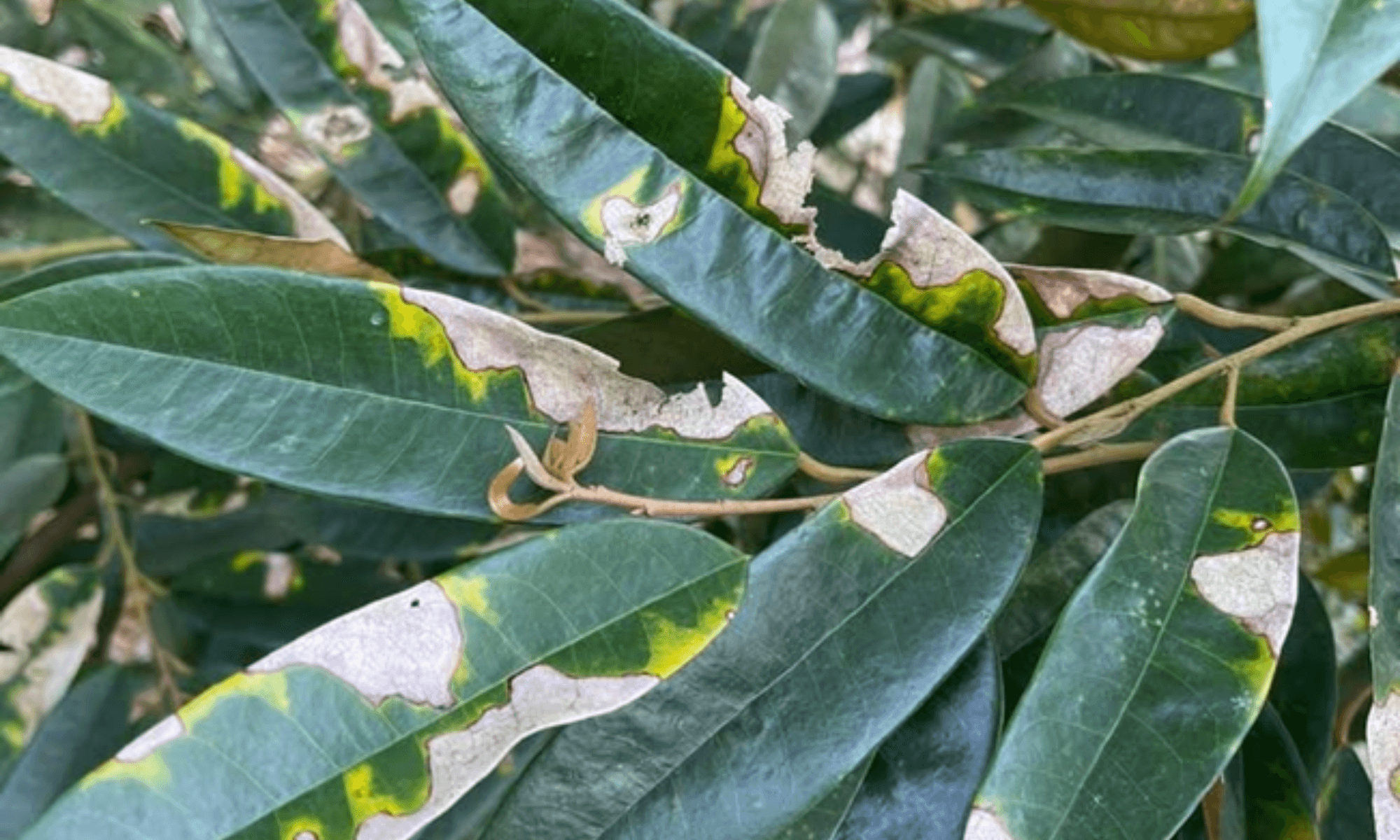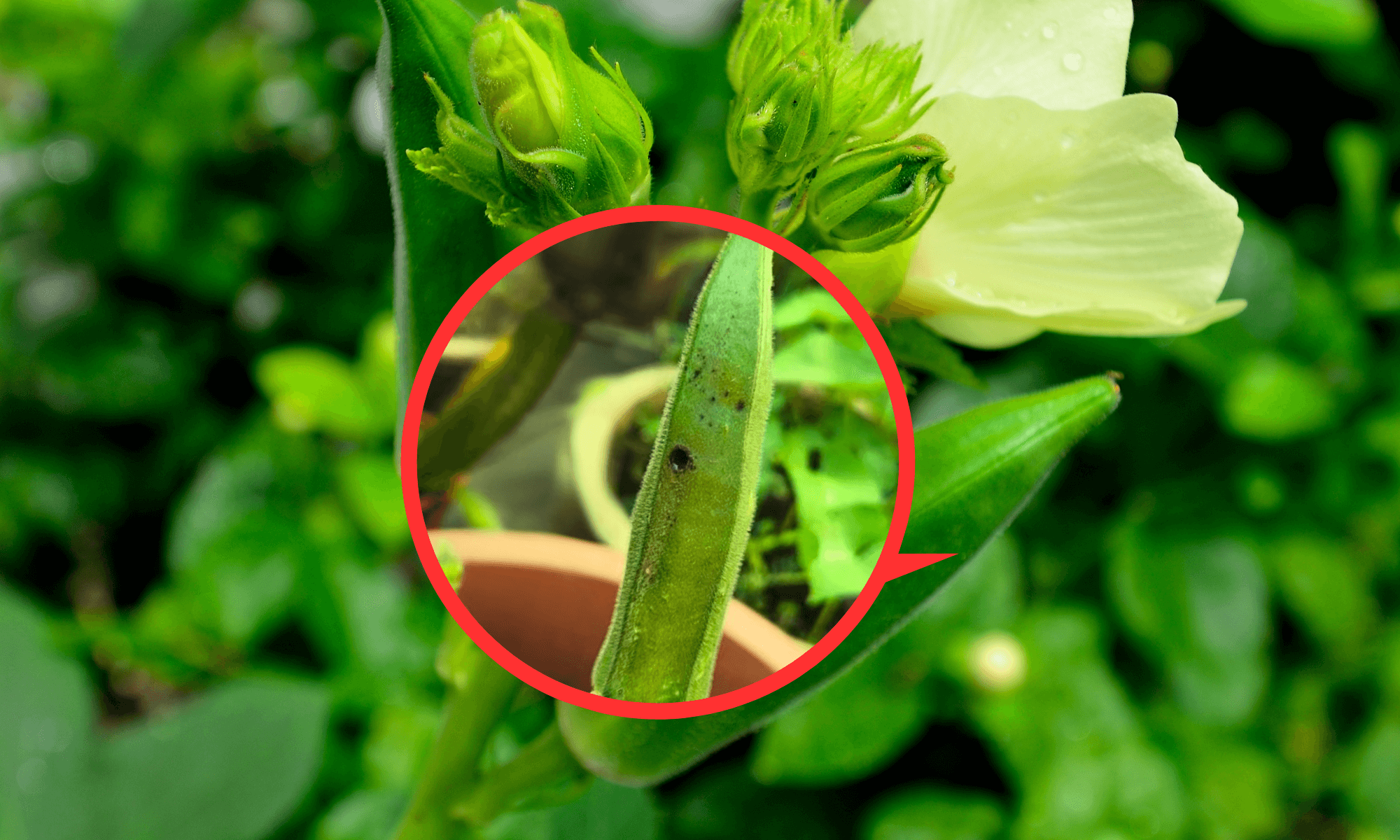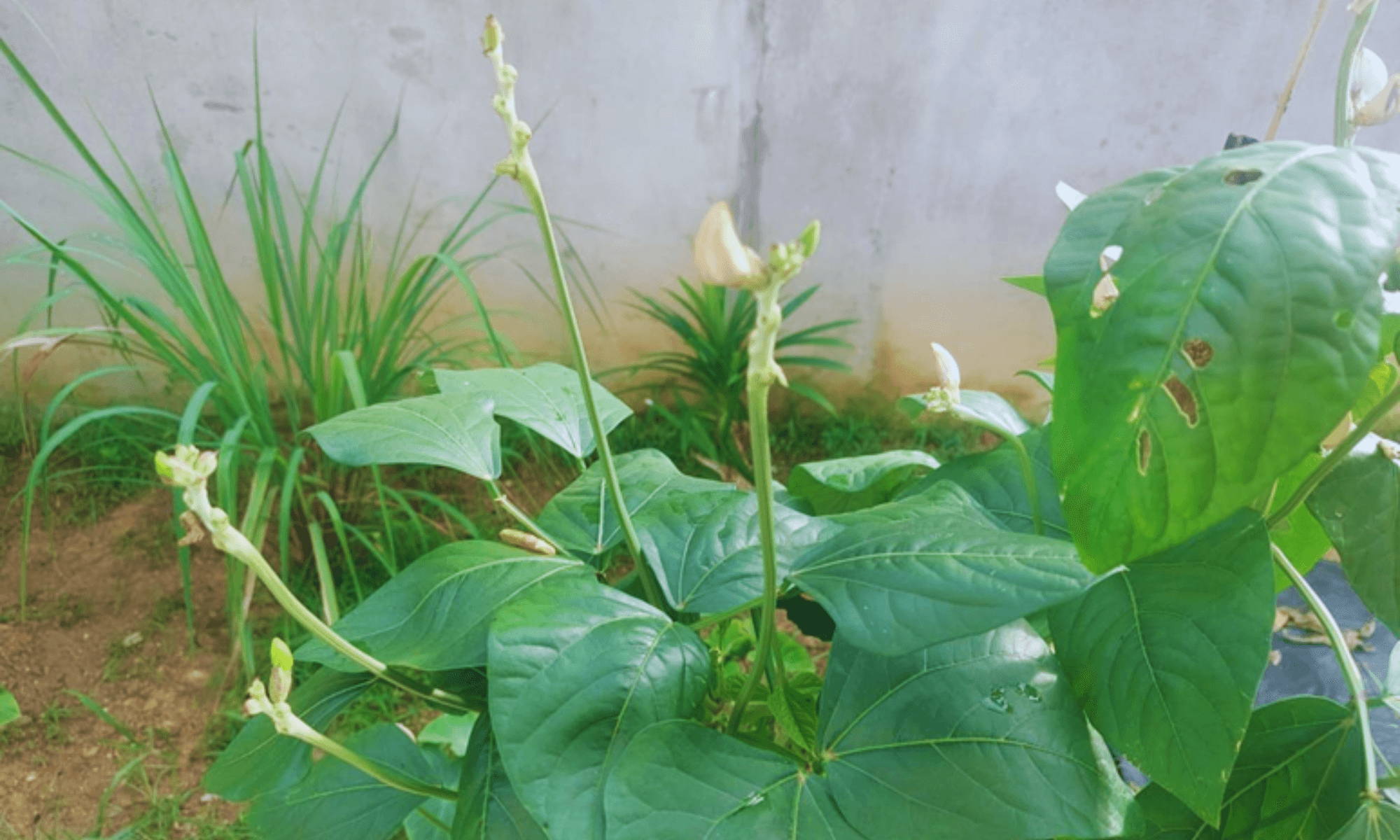
This is likely due to insufficient minerals in the soil, leading to poor flower development and unsuccessful pod formation. Additionally, the presence of numerous ants on the plant suggests there might be pests (e.g. aphids or scale insects) secreting honeydew, which attracts ants and could interfere with flower development and pod formation.
Recommended actions
1. Apply compost:
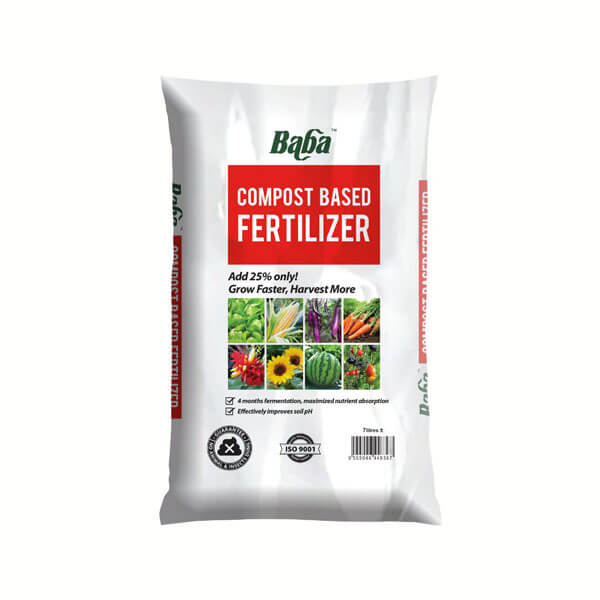
- Spread a suitable amount of Baba Compost-based Fertilizer (about 100–200g) around the plant’s root zone. Compost provides organic matter and essential nutrients to improve soil structure and fertility.
2. Fertilize gradually:
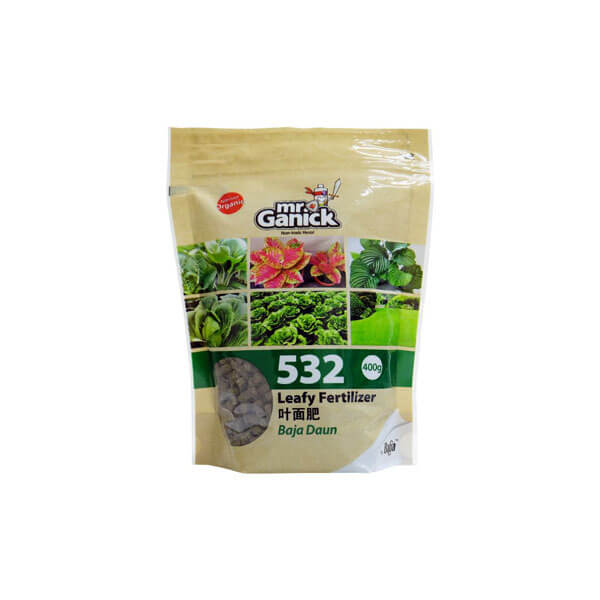
- One week after applying compost, supplement with Mr Ganick 532 Organic Leafy Fertilizer (high in nitrogen to promote plant growth). Adjust the amount based on the plant’s size.
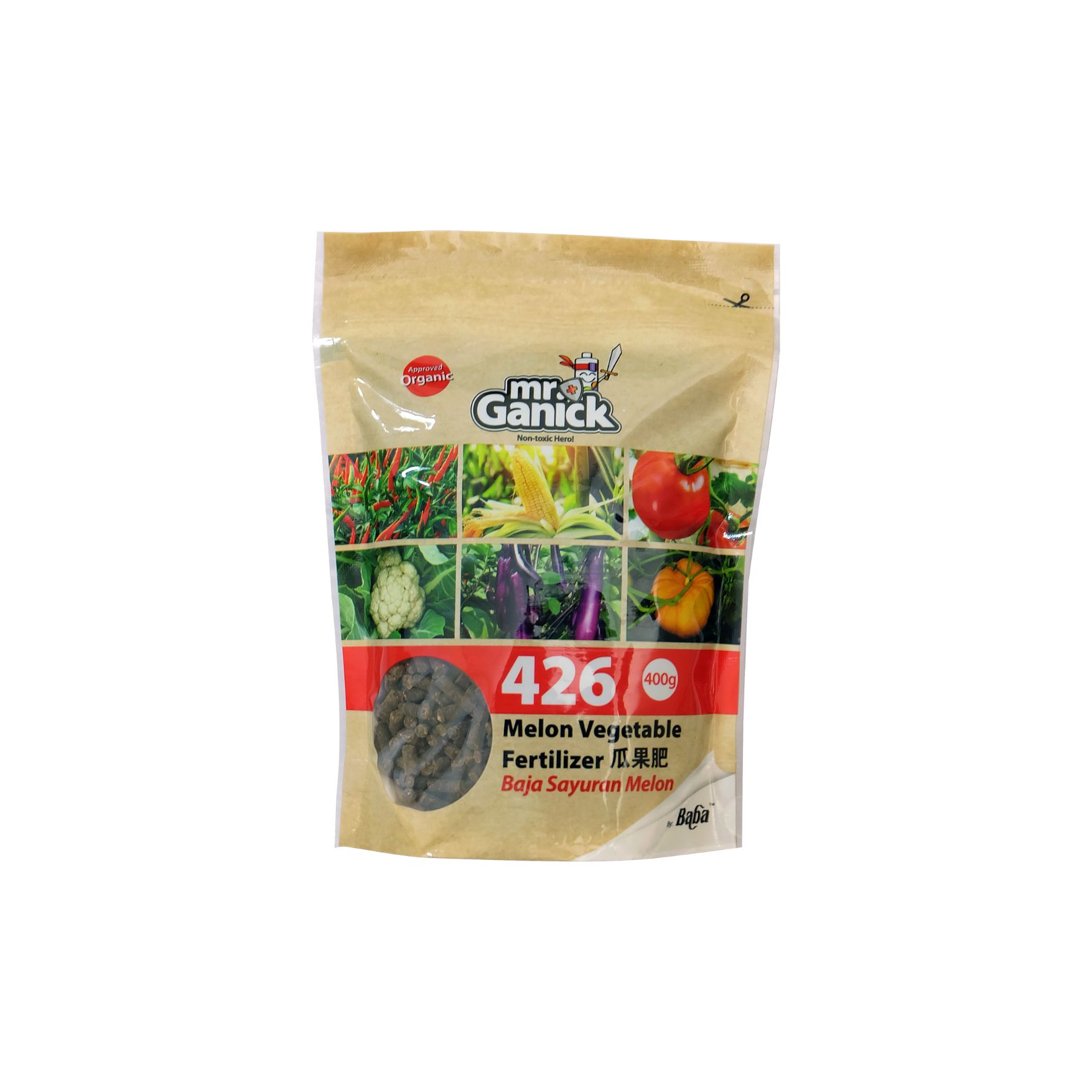
- Another week later, apply Mr Ganick 426 Organic Melon Vegetable Fertilizer (rich in phosphorus and potassium) to enhance flower quality and fruit set rates.
3. Inspect for pests:
- Check the undersides of leaves and flowers for pests such as aphids or scale insects, which may hinder flower development. Treat accordingly if pests are present.
4. Monitor and adjust care:
- Watering: Ensure the soil stays moist but not waterlogged, as overwatering or underwatering can impact pod formation.
- Improve pollination: If natural pollination is insufficient, use a cotton swab to gently transfer pollen between flowers manually to support pollination.